Inflatable Pool Domes & Enclosures
My UK Pool Was Only Usable for 8 Weeks a Year — Until I Installed an Inflatable Pool Dome
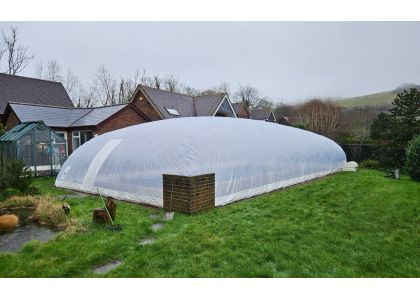
Inflatable Pool Dome UK: How I Turned My Pool into a Year-Round Swimming Space
If you own a swimming pool in the UK, you’ll probably recognise this:
it looks brilliant in July… and then spends the next 9–10 months covered in leaves, rainwater, and disappointment.
That was exactly my situation.
For most of the year, my pool was too cold to use, expensive to maintain, and frankly a bit of an eyesore. Between fallen debris, grey skies and dropping temperatures, it felt like a luxury that only worked for a few short summer weeks.
I genuinely started questioning whether installing a pool in Britain had been a mistake.
The Usual Options Didn’t Make Sense
Before finding a solution, I explored the obvious alternatives.
1. Standard Thermal Covers
They kept leaves out, but they didn’t solve the real issue — the water was still too cold from October through April.
2. Permanent Glass Enclosures
I received quotes starting at £20,000+, with installation times of 8–12 weeks.
Planning permission was also a consideration. For a residential property, it felt excessive.
3. Automatic Retractable Covers
Visually impressive, but mechanical systems mean long-term maintenance and repair costs. In the UK climate, moving parts outdoors aren’t always ideal.
None of these options felt practical.
Discovering Inflatable Pool Domes in the UK
I came across the concept of an inflatable pool dome enclosure while researching alternatives used in Northern Europe.
At first, I was sceptical. Could an air-supported structure really handle British weather?
After further research — and speaking to suppliers — I decided to try one.
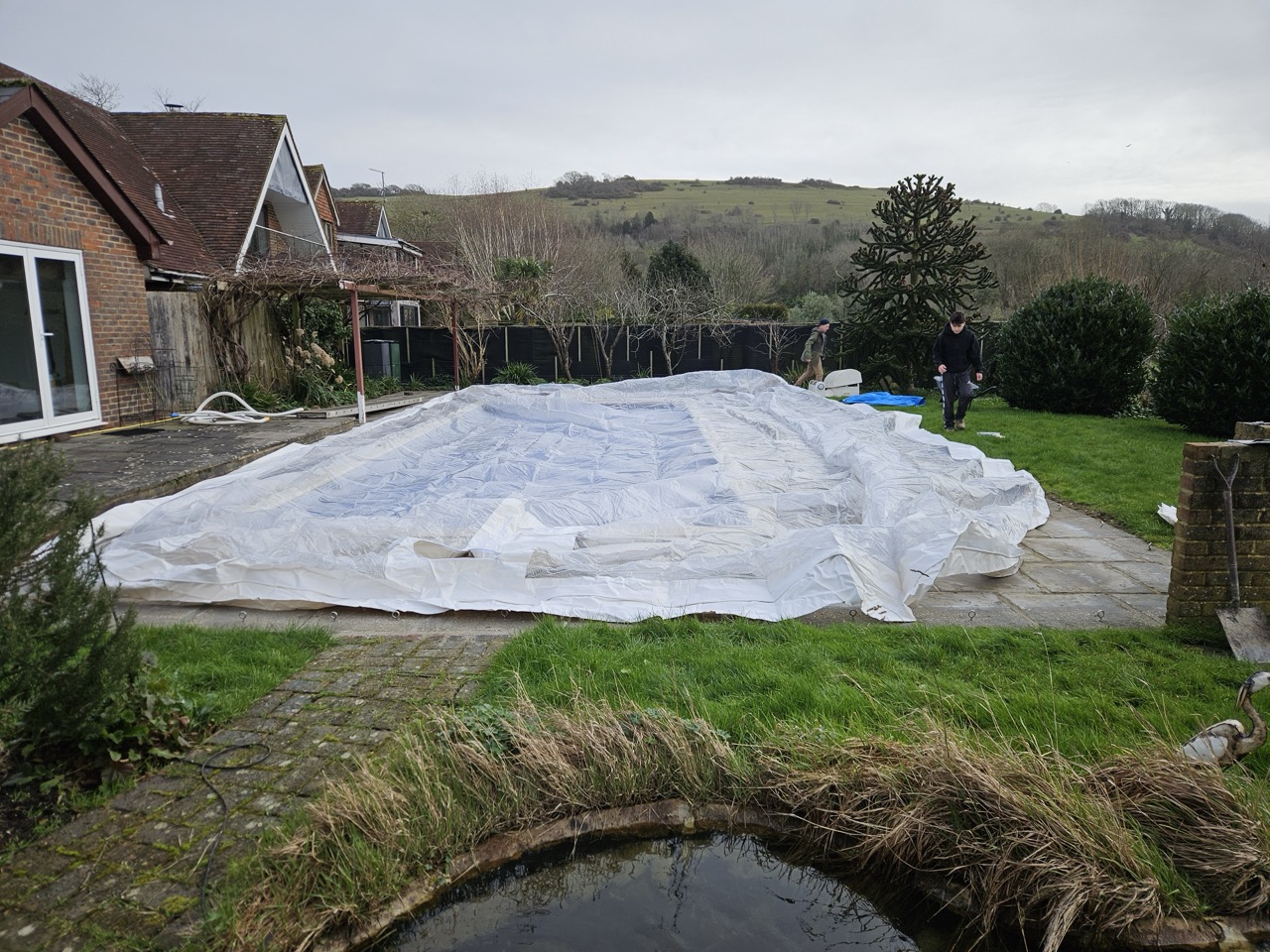
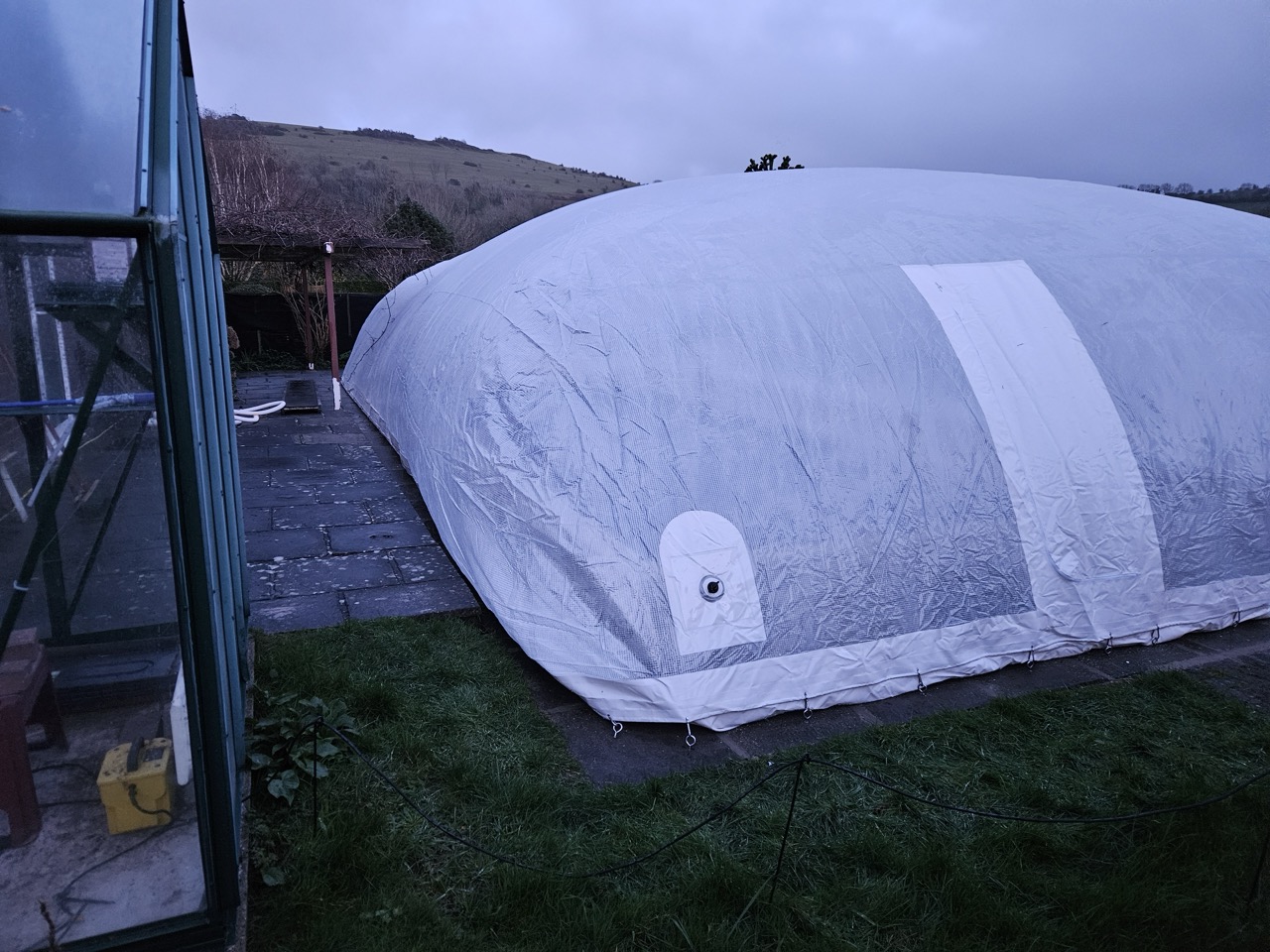
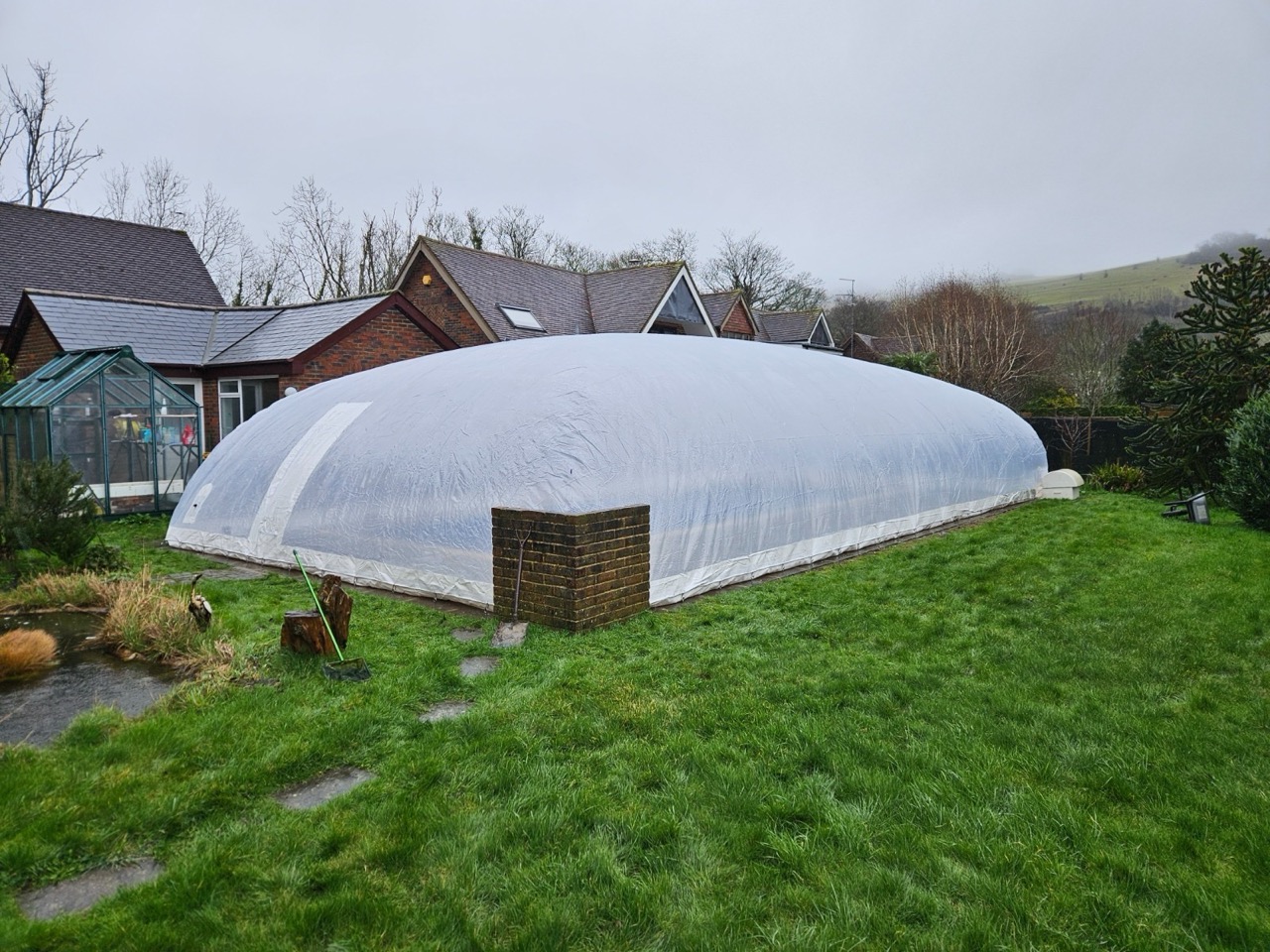
Installation took less than a day. No heavy construction. No major ground works. No permanent structural alterations.
And that’s when everything changed.
What Actually Improved
1. Warmer Water — Even Without Increasing Heating Costs
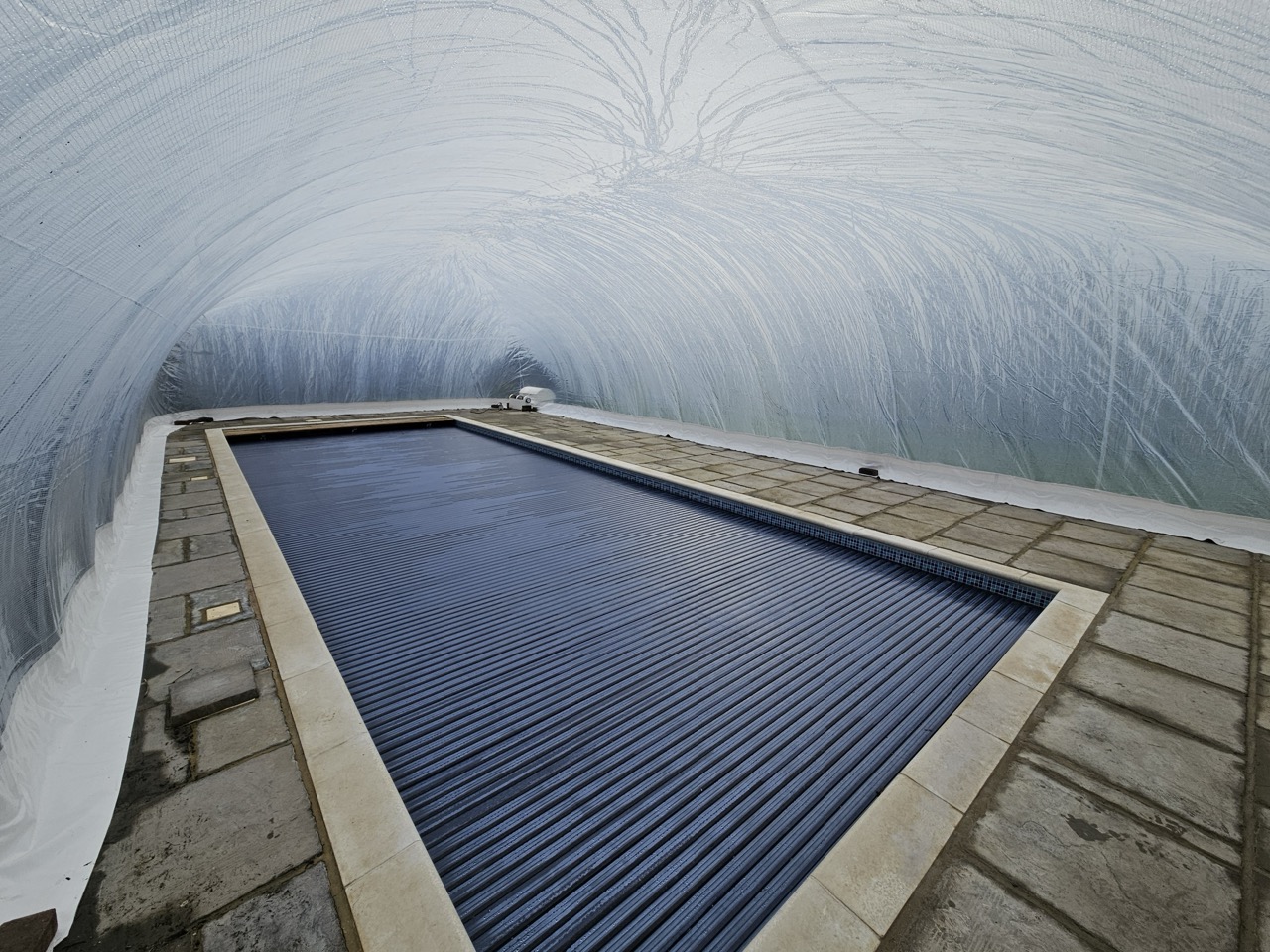
The clear, airtight PVC structure traps solar heat during the day.
On cool spring and autumn days, I’ve seen water temperatures rise by 6–10°C naturally, simply due to the greenhouse effect.
More importantly, my pool heater now runs far less frequently, which helps offset energy costs — a major concern in the UK.
2. Protection from Rain, Leaves and Debris
No more scooping out leaves every weekend.
No more rainwater diluting chemicals.
Maintenance dropped from weekly cleaning to roughly once a month.
That alone has saved hours of time and a noticeable amount on chemicals.
3. Wind Resistance and Winter Stability
One of my biggest concerns was winter wind.
During autumn storms (gusts around 35–40mph), the structure remained stable and properly anchored. Because it’s air-supported rather than rigid, it flexes slightly instead of fighting the wind.
For typical UK winter conditions, it has performed far better than I expected.
4. No Major Planning Permission Issues
Because the dome is temporary and removable, it typically avoids the complexity associated with permanent structures.
(That said, always check with your local council if unsure.)
This flexibility was a major deciding factor for me.
What It’s Actually Like Inside
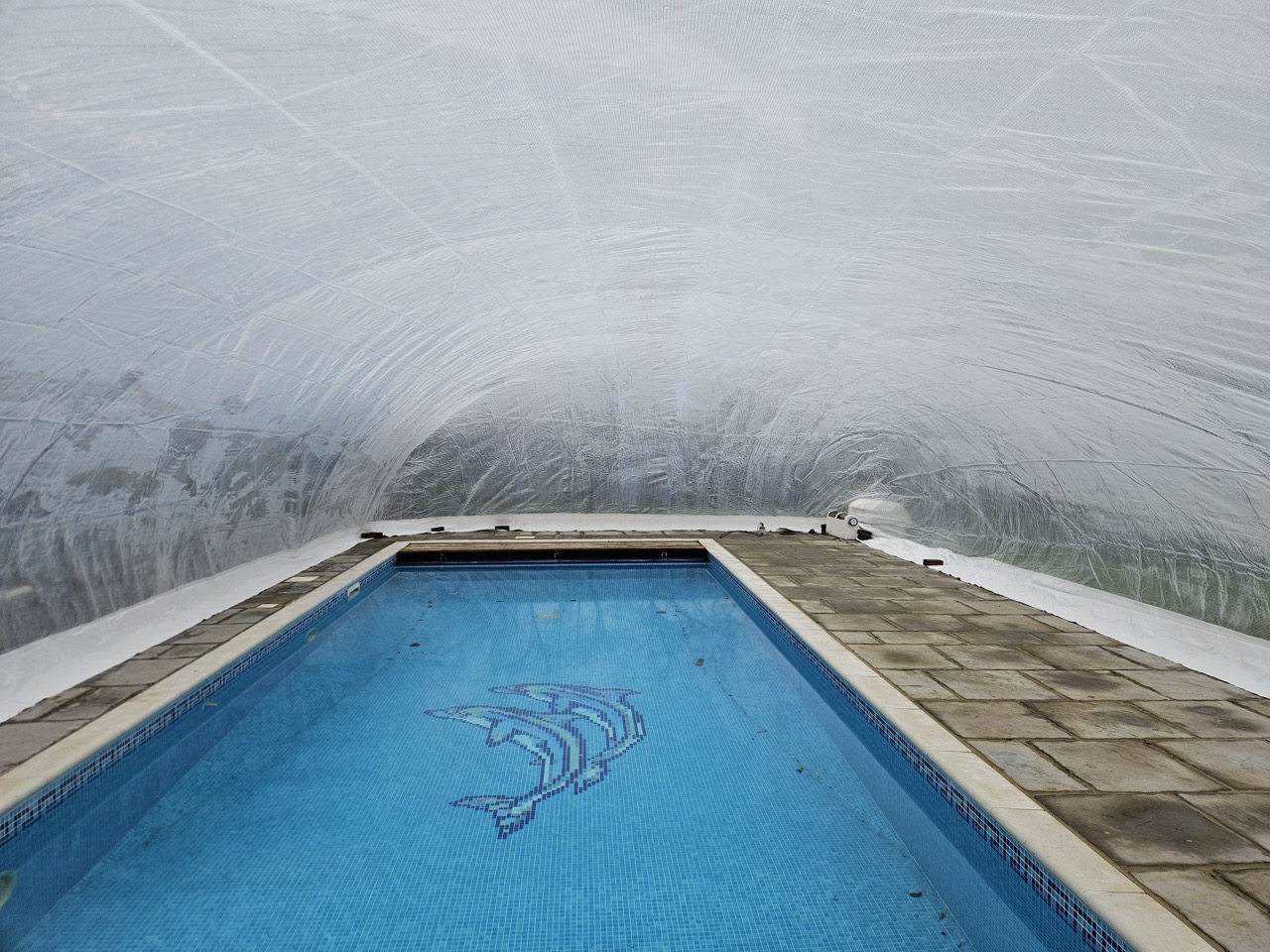
On a cold, rainy British morning, stepping inside feels surprisingly calm.
The air is still.
The light comes through clearly.
The water stays warm enough to swim comfortably — even in January.
It doesn’t feel like being outdoors in winter. It feels sheltered, quiet and usable.
For the first time since installing my pool, I’m using it consistently throughout the year — not just during heatwaves.
Is an Inflatable Pool Dome Worth It in the UK?
If your pool currently sits unused for most of the year, the real question is this:
How much value are you losing by limiting it to summer?
Compared to permanent enclosures, an inflatable dome offers:
-
Significantly lower upfront cost
-
Fast installation
-
No heavy construction
-
Reduced heating demand
-
Lower maintenance
-
Year-round usability
For me, it turned a seasonal feature into something we actually use.
And honestly, I wish I’d done it sooner.
Frequently Asked Questions About Inflatable Pool Domes in the UK
Do inflatable pool domes work in cold British weather?
Yes. They create a greenhouse effect and reduce heat loss significantly.
Do they withstand UK wind and rain?
When properly anchored, they are designed to handle typical winter conditions.
Are they expensive to run?
They require a continuous low-power blower, but reduced heating demand often balances this out.
Do I need planning permission in the UK?
In many residential cases, temporary inflatable structures do not require full planning approval — but always confirm with your local authority.
Final Thoughts
Owning a pool in the UK doesn’t have to mean using it for just eight weeks a year.
With the right enclosure solution, year-round swimming in Britain is entirely realistic — without the cost and disruption of permanent construction.
If you’re researching inflatable pool domes in the UK, take the time to compare materials, wind ratings, anchoring systems and after-sales support.
The right system can completely change how — and how often — you use your pool.
Choosing the Right Manufacturer Matters
One thing I quickly realised during my research was that not all inflatable pool domes are made to the same standard.
Because the structure stays up for months at a time — often through wind, rain and cold temperatures — material thickness, seam welding quality and anchoring design make a real difference.
I eventually chose to work directly with a manufacturer rather than a reseller. That allowed me to:
-
Customise the size to fit my exact pool dimensions
-
Reinforce anchoring points for higher wind resistance
-
Select thicker PVC material for durability
-
Ensure spare parts and after-sales support were available
For something that sits in your garden for most of the year, build quality really matters.
I was initially unsure how straightforward the ordering process would be, especially buying directly rather than through a local reseller.
In reality, it was simpler than I expected — and I’ve detailed exactly how it worked below.
